
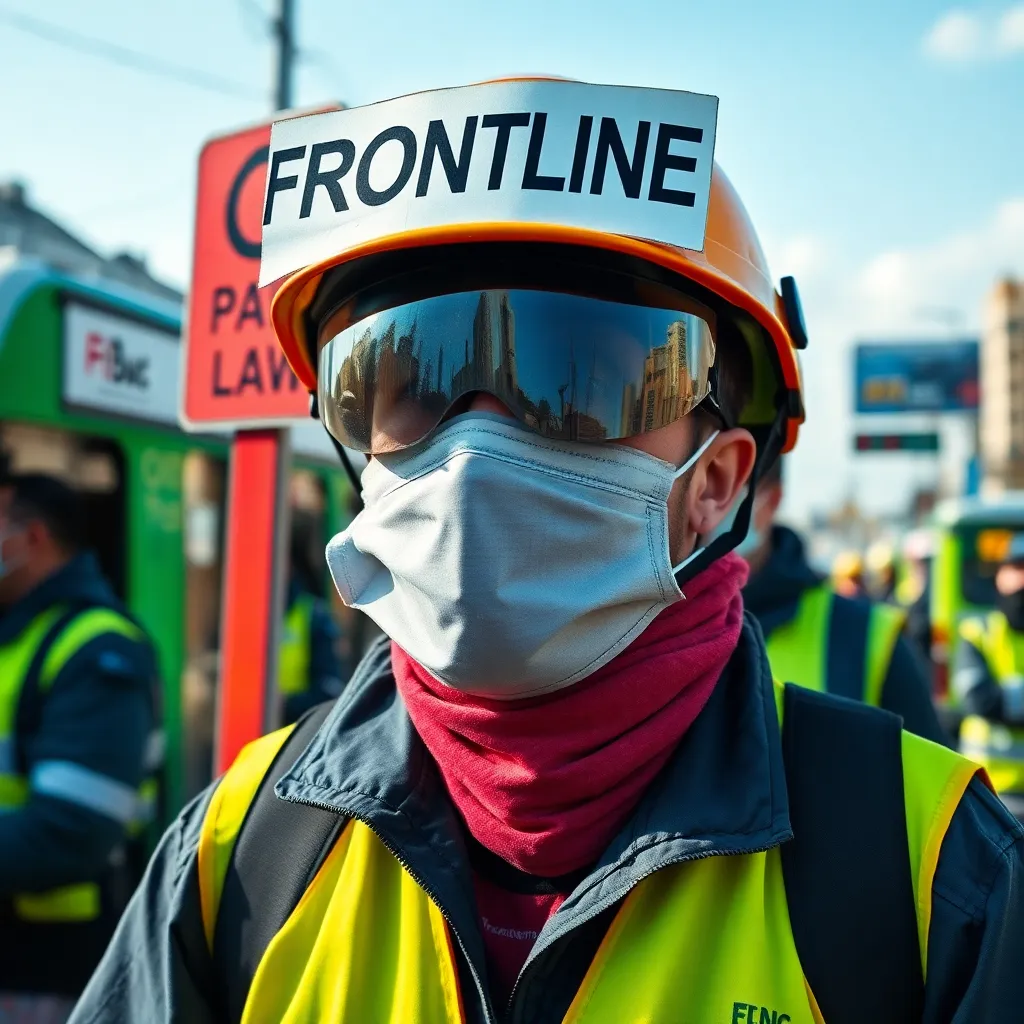
Frontline Workers Demand New Law Against Rising Abuse
The article highlights a growing concern regarding the escalating levels of abuse, harassment, and physical assaults faced by frontline workers, particularly parking wardens. Campaigners are urgently advocating for the introduction of a specific new legal offense designed to deter these attacks and provide greater protection for those performing essential public services. This proposed legislation aims to address the current inadequacy of existing laws in fully capturing the severity and unique nature of assaults against public-facing professionals.

The problem encompasses a wide range of hostile behaviors, from verbal abuse and threats to spitting, property damage, and outright physical violence. Parking wardens, often perceived as symbols of authority enforcing unpopular regulations, are frequently subjected to such aggression, leading to significant distress and potential injury. The source title, “We’ve been hit, abused and harassed, say parking wardens,” underscores the pervasive and personal nature of these encounters, illustrating the daily challenges these individuals face simply for doing their jobs.
A primary benefit of a dedicated offense would be a stronger deterrent effect, sending a clear message that such behavior is unacceptable and will be met with serious legal consequences. This could lead to a reduction in incidents, fostering a safer working environment and improving staff well-being. It would also empower victims with a more robust legal framework to seek justice, potentially leading to higher prosecution rates and more appropriate sentencing for offenders. Furthermore, it would acknowledge the vital role frontline workers play and their unique vulnerabilities.
However, the risks associated with the current situation are profound. Frontline workers, including parking wardens, endure significant physical harm and psychological trauma, contributing to stress, anxiety, and burnout. The constant threat of abuse can deter individuals from entering or remaining in these crucial roles, impacting public service delivery. Without a specific deterrent, there’s a risk of continued escalation in violence and a perception of impunity for attackers. Examples of harassment often extend beyond direct confrontation to include online abuse, further eroding worker safety and morale. The call for a new offense is a direct response to these tangible and escalating risks, seeking to safeguard those who serve the public.
Many incidents occur during home visits for services like kitchen extension planning consultations, where workers face increased vulnerability to verbal and physical abuse.
Many incidents occur in residential settings where workers visit homes, including those with open-plan kitchen diner extension layouts that can create safety concerns.
(Source: https://www.bbc.com/news/articles/cj4qz9rr1l4o?at_medium=RSS&at_campaign=rss)