
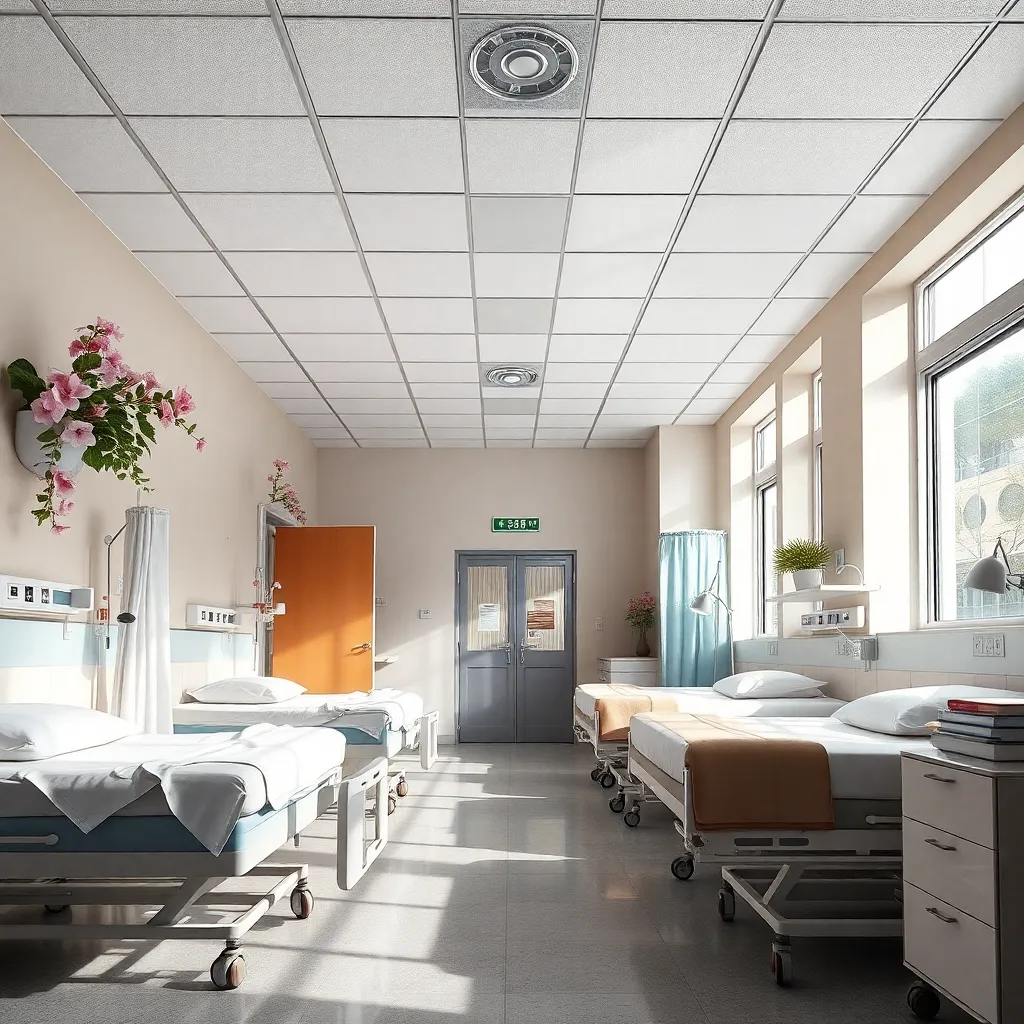
Cancer Ward Sanctuary: Creating Calming Hospital Spaces
The transformation of a room on Godstone Ward into a “warm space that inspires a sense of calm” represents a significant initiative aimed at enhancing the patient experience within a challenging healthcare environment. This specific example, while briefly mentioned, underscores a growing recognition of the profound impact that thoughtfully designed physical surroundings have on patient well-being, particularly for those undergoing cancer treatment. Such a calming space is typically defined by its intentional design, incorporating elements that actively reduce stress, promote relaxation, and offer a sense of respite from the clinical intensity often associated with hospital wards. These therapeutic environments frequently utilize soft lighting, soothing colour palettes, comfortable and supportive furnishings, and sometimes integrate natural elements or gentle sounds to cultivate a truly healing atmosphere.

The benefits of establishing such dedicated calming spaces are multi-faceted and crucial for patient recovery. For cancer patients, who frequently endure immense physical and emotional strain, a tranquil environment can significantly alleviate anxiety, improve mood, and potentially reduce perceived pain levels. By providing a sanctuary, these rooms can empower patients to cope more effectively with their diagnosis and treatment journey, fostering a vital sense of peace and control. Furthermore, a serene setting can aid in improving sleep quality, encourage mindfulness practices, and offer a much-needed distraction from demanding medical procedures. The positive psychological effects extend beyond patients, often benefiting visiting family members and even contributing to a less stressful and more supportive overall ward environment for healthcare staff.
While the primary focus is on the positive outcomes, creating and maintaining such spaces can present certain considerations. These might include the initial funding and resources required for comprehensive transformations, ensuring the space remains accessible and beneficial to all patients with diverse needs and preferences, and the ongoing maintenance necessary to preserve its intended calming effect amidst hospital demands. Moreover, balancing aesthetic and therapeutic goals with stringent practical infection control measures in a healthcare setting is a crucial design challenge. The Godstone Ward example, however, stands as a testament to a commitment to holistic patient care, illustrating how environmental design can be leveraged as a powerful tool in supporting the emotional and psychological health of individuals navigating cancer journeys, moving beyond purely medical interventions to embrace broader aspects of healing and comfort. This pioneering approach on the Godstone Ward undoubtedly sets a valuable precedent for similar patient-centred initiatives in other healthcare facilities.
Just as kitchen extension planning requires thoughtful space design for comfort and functionality, hospital environments need similar careful consideration for patient wellbeing.
Modern cancer ward designs increasingly mirror residential spaces, incorporating open-plan layouts similar to a kitchen diner extension to promote family interaction and healing.
(Source: https://www.bbc.com/news/articles/cd0y5y3zy8lo?at_medium=RSS&at_campaign=rss)