
Reigate’s Hidden Caves: A Walk Through 800 Years of Local History
Ancient Tunnels Tell the Story of Reigate’s Past
Walking beneath Tunnel Road in Reigate, you’re stepping into nearly eight centuries of local history. The caves that lie hidden underground represent far more than just a geological curiosity—they’re a tangible connection to how our community has survived, worked, and sheltered through the ages.

These aren’t natural caverns but carefully excavated medieval structures, likely dating back to when Reigate Castle stood as a significant fortress in Surrey. The cool, stable environment made them ideal for storing valuable wines and beers, with the Mellersh Neil Brewery using them as a cellar until at least 1914. For residents across Reigate, Horsley, East Horsley, and neighbouring areas who commute daily through our town, these passages represent the deeper layers of community heritage often overlooked in modern life.
Today, volunteers from the Wealden Cave and Mine Society maintain both sets of caves—those beneath Tunnel Road and the remarkable tunnels within Reigate Castle grounds. Peter Burgess, a dedicated society member, emphasises how accessible this archaeology is: you can walk through 800 years of history without a single shovel. The physical structure remains remarkably intact, a testament to medieval engineering and careful preservation by local heritage enthusiasts.
From Wine Cellar to World War Two Shelter: How Reigate Protected Its Own
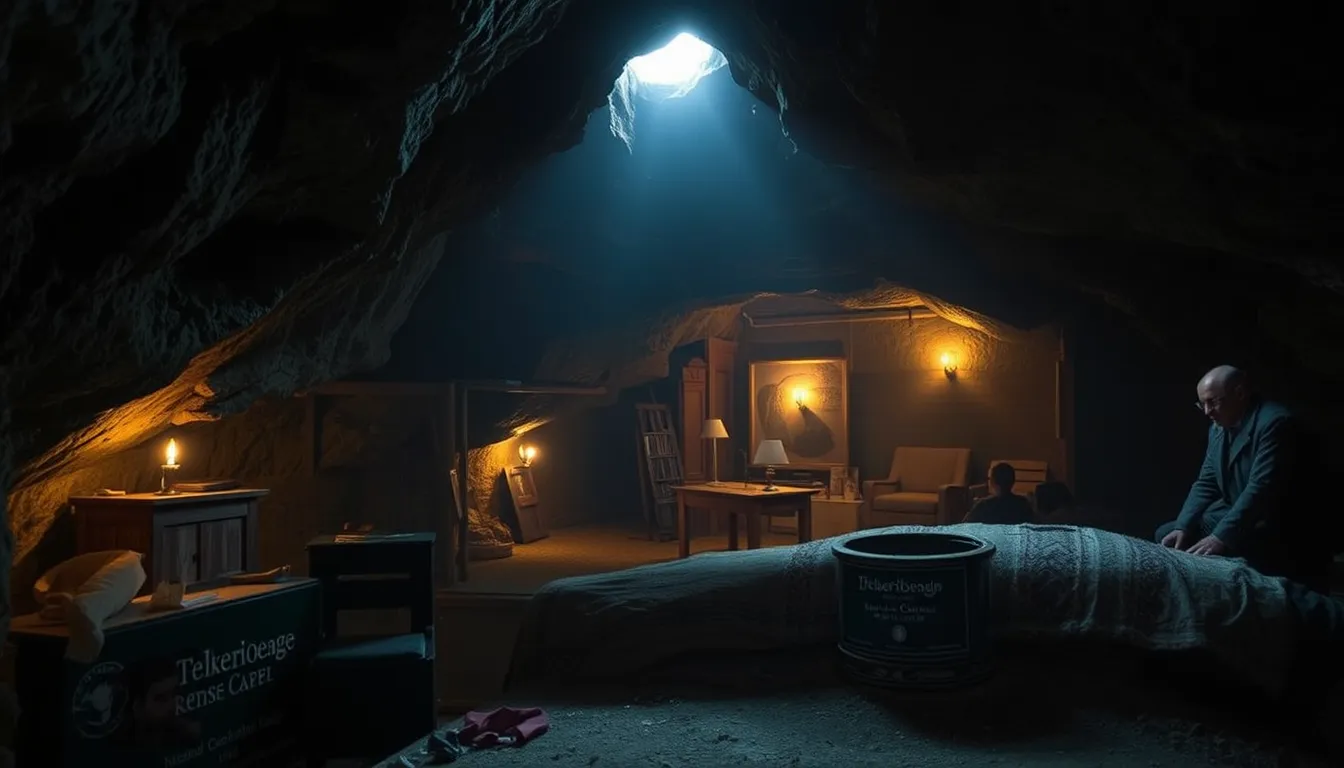
During the darkest days of the Second World War, these same caves transformed into lifesaving shelters. As German bombers targeted Surrey towns including Woking and surrounding areas, Reigate’s underground tunnels became a refuge for local schoolchildren. Huddled safely beneath metres of stone and earth, young residents waited out the Blitz—a chapter of our community’s resilience that few today remember or acknowledge.
This dual purpose—commercial storage evolving into civil defence infrastructure—mirrors how many communities across Surrey adapted during wartime. While families in neighbouring Dorking, Guildford, and Woking faced similar threats, Reigate’s geological fortune provided a natural fortress. The caves’ historical significance extends beyond architecture; they represent the ingenuity and determination of residents who maximised every resource for survival.
For many local families, these tunnels remain unknown territory. Burgess reports that even long-time residents frequently express surprise that such structures exist beneath their feet. This gap in community awareness highlights why heritage open days matter—they reconnect us with the places we live and the stories embedded in our soil. Understanding how Reigate sheltered its most vulnerable during wartime adds profound meaning to walking these passages today, reminding us of both our shared past and collective responsibility to preserve it.
Open Days This September: Your Chance to Explore and Support Local Heritage
The final open day of this season takes place on 12 September, offering Reigate residents and visitors from surrounding areas one last opportunity to experience these caves firsthand. Peter Burgess and fellow volunteers will guide tours, sharing detailed knowledge accumulated through over 30 years of community stewardship. Whether you’re a long-time resident or new to the area, these guided experiences provide context that solitary exploration cannot match.
This heritage initiative relies entirely on volunteer dedication and community engagement. By attending open days, you’re directly supporting the Wealden Cave and Mine Society’s ongoing conservation work—funds generated help maintain structural integrity and fund educational outreach. For those interested in local history, community archaeology, or simply wanting a unique seasonal activity, this represents irreplaceable access.
Beyond September’s final event, residents should watch for announcements about future open days and heritage programmes. Consider supporting the Wealden Cave and Mine Society through membership or volunteering; local heritage organisations constantly need additional hands for maintenance and education. Share knowledge with neighbours who may be unaware these caves exist. Just as homeowners invest in bathroom refurbishment or kitchen renovation to preserve their properties, our community must invest in preserving shared historical assets. These caves belong to all of us—visit, learn, and help ensure future generations can walk through our town’s remarkable underground heritage.
Source: Inside the Reigate Caves once used as a cellar and air raid shelter