
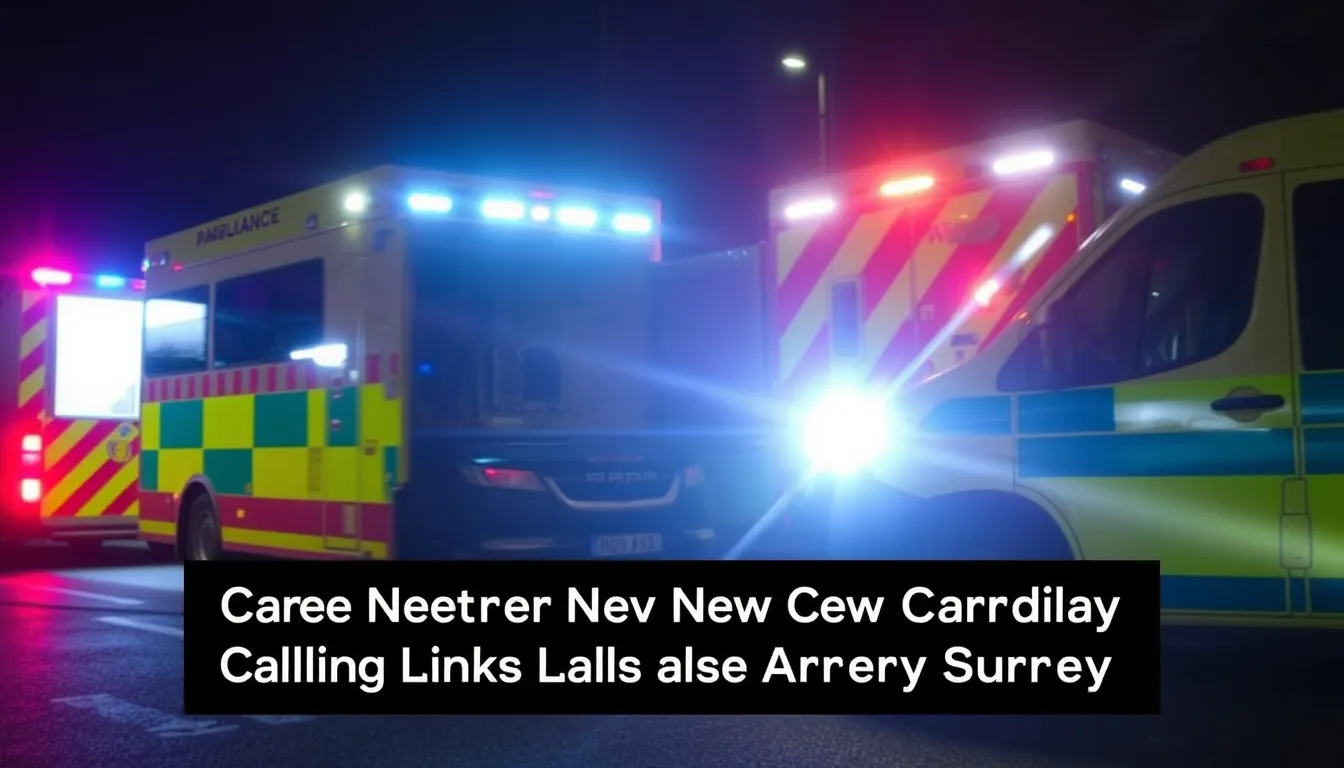
Paramedics Now Video Link to Cardiac Arrest Calls Across Surrey
A New Way to Reach Emergencies Across Our Patch
Anyone who has waited anxiously for an ambulance knows how long a few minutes can feel. From the market streets of Dorking to the busy town centre of Guildford, the villages around Woking, and the quieter lanes of Horsley and East Horsley, where the nearest crew may be further away than we would like, that wait matters. South East Coast Ambulance Service, known as Secamb, has started a four-week trial that aims to close part of that gap. When someone is suspected of suffering a cardiac arrest at home or on the street, specialist critical care paramedics can now open a secure video link to the caller. For the first time, a clinician can see the emergency unfolding, rather than relying only on a verbal description over the phone. The trial launched on Monday and is being rolled out across the service’s area, which covers Surrey, Sussex and Kent. Secamb says the aim is simple: to help people start lifesaving CPR correctly and quickly, while support is still on its way. It is a pilot, so its real-world value will only become clear once the four weeks are over and the findings are published.

Why Surrey and Sussex Residents Should Pay Attention
The people most affected are the ones at the scene. Family members, neighbours, shop staff and passers-by are often the first to start chest compressions, and they can be frightened and unsure of what to do. Bradley Gander, a critical care team leader at Secamb, put it plainly: every second counts when someone experiences a cardiac arrest, and this is about giving people the best possible chance of survival. Secamb’s emergency medical advisors already guide callers through CPR from the operations centre. The video link adds a second layer, letting critical care paramedics see what is happening and advise on positioning, technique and timing before the crew arrives. The service is also reporting strong results. NHS England figures for May 2026 show Secamb achieved its highest-ever monthly 30-day cardiac arrest survival rate, at 17.2 per cent. That is well above the national average of 10.2 per cent for the month and beats the previous Secamb high of 15.9 per cent recorded in 2023. Practical planning matters too. Homeowners undertaking a bathroom refurbishment or kitchen renovation can keep in mind that clear floor space and easy access help anyone giving CPR, as well as paramedics arriving with equipment. bathroom fitters and kitchen designers can factor this in when planning layouts.
What You Can Do Now
The most powerful thing any of us can do is learn hands-only CPR. Training takes only a few hours, and many local organisations, workplaces and community groups run sessions that are open to residents. Knowing where your nearest public defibrillator is located is just as important. Check the defibrillator registry and the signage at your local leisure centre, church hall, railway station or supermarket, and consider whether your parish council or residents’ association could help fund or maintain one. If you come across someone collapsed, call 999 immediately, ask for an ambulance and, if the caller is able, put the phone on loudspeaker so the call handler can guide you. The new video link is designed to support that process, not replace it, so do not wait for a video call before starting CPR. As for what to watch next, the four-week trial will show whether video support helps bystanders deliver better CPR and whether it speeds up key decisions. Secamb is expected to share its findings, and local residents should look out for updates from the service and from BBC Sussex, which first reported the trial. If the results are positive, expect the approach to be extended, and keep an eye on how it affects response times in rural areas like ours.
Source: South East Coast Ambulance Service to video link to cardiac emergencies