Surrey Dad Honoured as Dinosaur Named After Ewhurst Works Manager
A Fossil Find Rooted in Ewhurst’s Brickworks
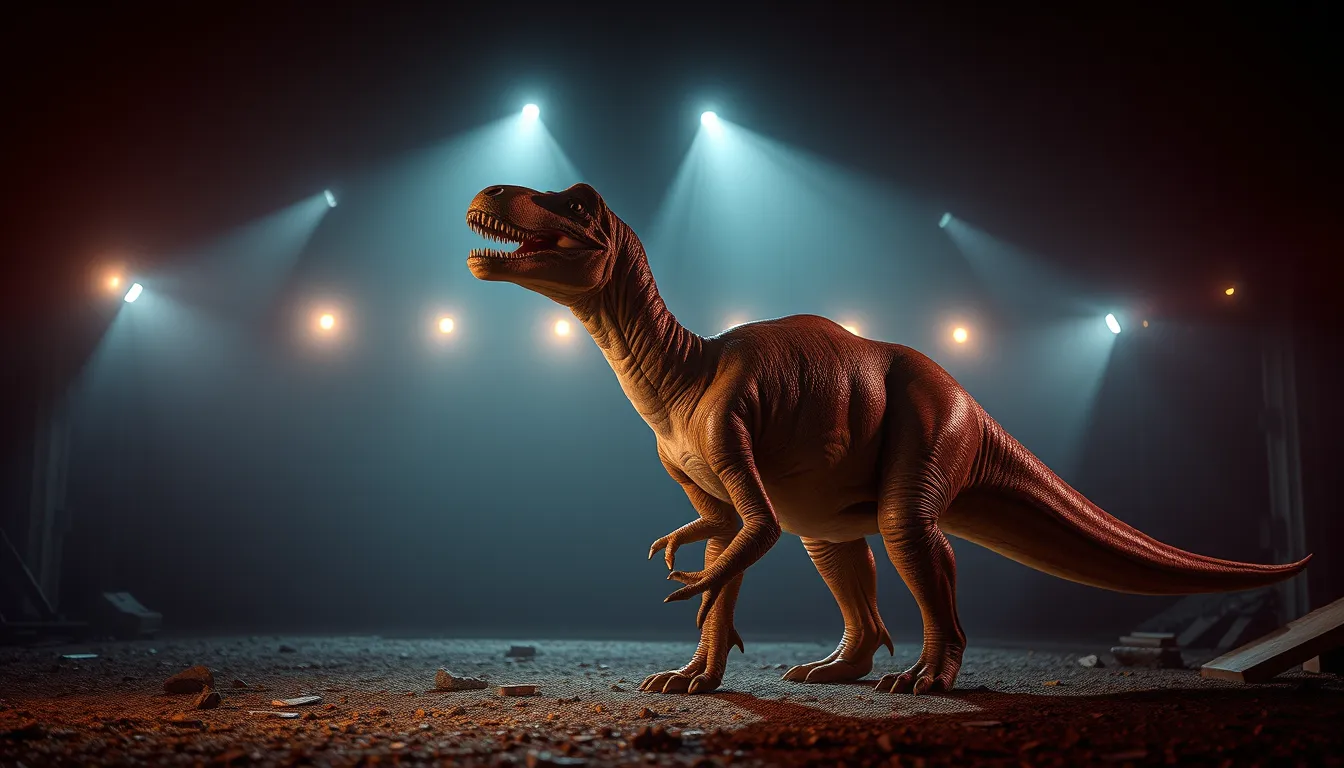
Anyone who has driven the winding lanes between Dorking and Horsley will know how much of rural Surrey still runs on clay. The Ewhurst brick and roof tile works has been part of that landscape for generations, quietly supplying materials for homes across the county. Few of us would have guessed that beneath those quarry layers lay a piece of prehistory that would one day earn a place in scientific textbooks. Paludohadros proudlovii, a plant-eating iguanodontian, was unearthed at the site in 2001 and donated to the Natural History Museum. The creature roamed southern England around 125 million years ago, when the region was a patchwork of muddy wetlands. It was roughly five metres long and would have weighed between one and two tonnes, though the museum believes this individual was a juvenile that could have grown to twice that size. The works is also home to history of another kind. The fearsome two-legged carnivore Baryonyx walkeri was discovered there in 1983, which means Ewhurst has now produced two landmark finds. For residents, that makes the village quarry more than an industrial site. It is a reminder that the ground we walk on holds stories far older than any of our streets.

Honouring Will Proudlove’s Legacy
The new name belongs to Will Proudlove, who passed away at just 35, shortly before the fossil was found. He worked his way up through the ranks at the Ewhurst works to become its manager, and his colleagues and family remember a man who took genuine pride in the site. His widow, Rachel, spoke to BBC Radio Surrey about the honour, describing it as huge and a lasting legacy for a husband who had always been fascinated by what the quarry could reveal. Her account paints a picture of careful, patient work. Each time a fresh layer of clay was cut away, Will would look closely for anything resembling fossil bone. That habit of attention is exactly what turns an ordinary working day into a scientific discovery. For Rachel and the couple’s two children, the naming is a way of keeping his memory woven into the place he cared about. It also gives the local community something to celebrate. Stories about workers who dedicate their careers to a single site often go untold, so it is good to see one recognised in such a permanent way. Dinosaur names last for centuries, and Will’s now sits in the scientific record alongside the animal it describes.
What Local Residents Should Know and Watch Next
For those of us living across Guildford, Woking, Dorking and the villages of Horsley and East Horsley, this story is a useful reminder of how much heritage sits on our doorsteps. The discovery adds to a growing body of research. In 2023, Natural History Museum scientists redescribed Mantellisaurus, which had long been lumped in with Iguanodon, and that work has since helped identify several new species, including Brighstoneus, Comptonatus and the sail-backed Istiorachis. More names are likely as researchers revisit old southern English finds, so keep an eye on museum announcements and BBC Surrey coverage. Residents with an interest in local history can also get involved. Heritage groups and local museums often welcome volunteers and fresh information about historic sites. If you have your own story about a working site, a family find or a memory of the Ewhurst works, you can share it with BBC Surrey. Finally, there is a practical angle for homeowners. Many older Surrey properties were built with local brick and tile, and anyone planning a kitchen renovation or bathroom refurbishment should choose experienced local tradespeople who understand how period materials behave. Good bathroom fitters and kitchen specialists can make a sympathetic upgrade that respects the character of the home.