
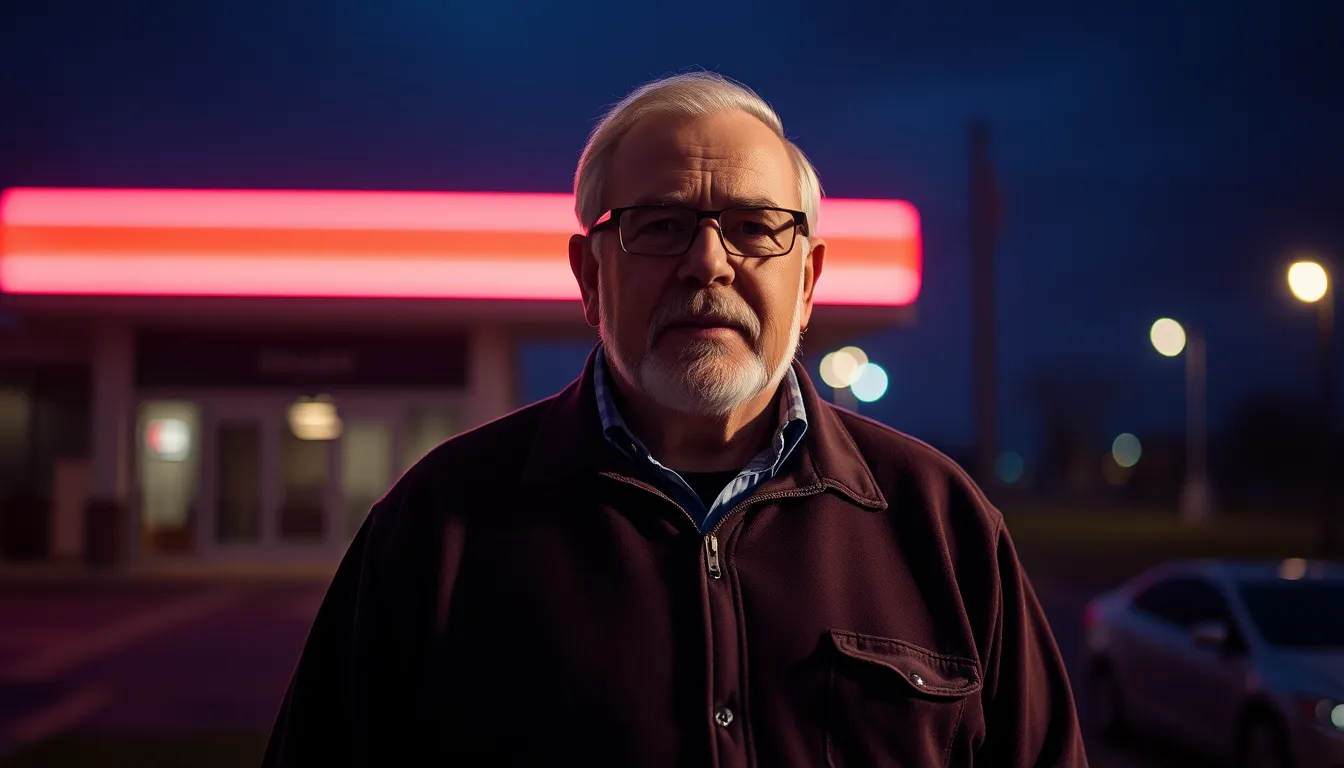
Local Man’s Heartfelt Plea: Why Mammograms Matter
A Loss That Changed Everything
Tony Foster from Church Crookham has become an unlikely advocate for preventative health screening following the death of his wife Sue earlier this year. Sue’s cancer diagnosis came as a complete shock to their family—there were no warning signs, no lumps, no symptoms that might have prompted a doctor’s visit. It was only by chance, after a friend’s suggestion, that Sue decided to get screened. That single decision led to her diagnosis in November 2025. She underwent intensive chemotherapy at Frimley Park Hospital in Surrey, but sadly passed away within months. For Tony, the experience has been devastating but transformative. His wife was deeply respected in their community, having been awarded a British Empire Medal for her voluntary work over many years. Her sudden illness and rapid decline left the family reeling. “Nothing can prepare you for losing a partner,” Tony reflects. “It makes a massive hole in your life.” Despite his grief, he’s determined to turn Sue’s memory into something meaningful—by encouraging other women, particularly those over 70, not to wait for symptoms before seeking screening.

Why This Message Matters to Our Surrey Community
Women across Surrey—whether in Guildford, Woking, Dorking, Horsley, East Horsley, or surrounding areas—need to hear Tony’s message. Breast cancer doesn’t always announce itself with obvious warning signs. Many women, like Sue, are asymptomatic until a mammogram reveals something concerning. The tragedy is that many women in their 70s and beyond assume they’re past risk or that screening is unnecessary without symptoms. This misconception could cost lives. NHS services at Frimley Park Hospital and other local facilities are equipped to provide these vital screenings, yet uptake among older women remains below recommended levels. Tony’s advocacy is particularly powerful because he’s not a medical professional—he’s a grieving husband who wishes he’d known more. “I always thought that if women felt lumps, they’d go to the doctor,” he explains. “But there was no reason for Sue to do that.” His willingness to share such a personal tragedy in public forums, including on BBC Radio Surrey, demonstrates his commitment to preventing other families from experiencing the same devastation. In our tight-knit community, word-of-mouth recommendations carry weight. Tony’s story is spreading awareness in a way that formal health campaigns sometimes cannot.
What Local Women Should Do Now
If you’re a woman aged 70 or over living in Surrey, Tony Foster’s message is direct: don’t wait. Contact your GP and request a mammogram screening. You don’t need symptoms to justify the appointment. You don’t need to feel something unusual. Prevention and early detection are your best defences against breast cancer. Women aged 50-74 are typically invited for routine screening, but those outside this range or who’ve missed appointments should take the initiative. During this time of reflection—whether you’re at home in Woking, relaxing in Dorking, or anywhere across our region—consider scheduling that appointment. Just as homeowners prioritize kitchen renovation or bathroom refurbishment to maintain their properties, we must prioritize health maintenance for our bodies. Sue’s story is her legacy, and Tony’s advocacy is her gift to us. Even if just one woman in our community reads this and books a screening appointment she otherwise wouldn’t have, it could make all the difference. That’s not just statistics—that’s someone’s mother, sister, friend, or partner. That’s a family kept whole. The effort takes minutes to arrange; the impact could be lifesaving.
Source: ‘Get a mammogram,’ says man who lost wife to breast cancer