
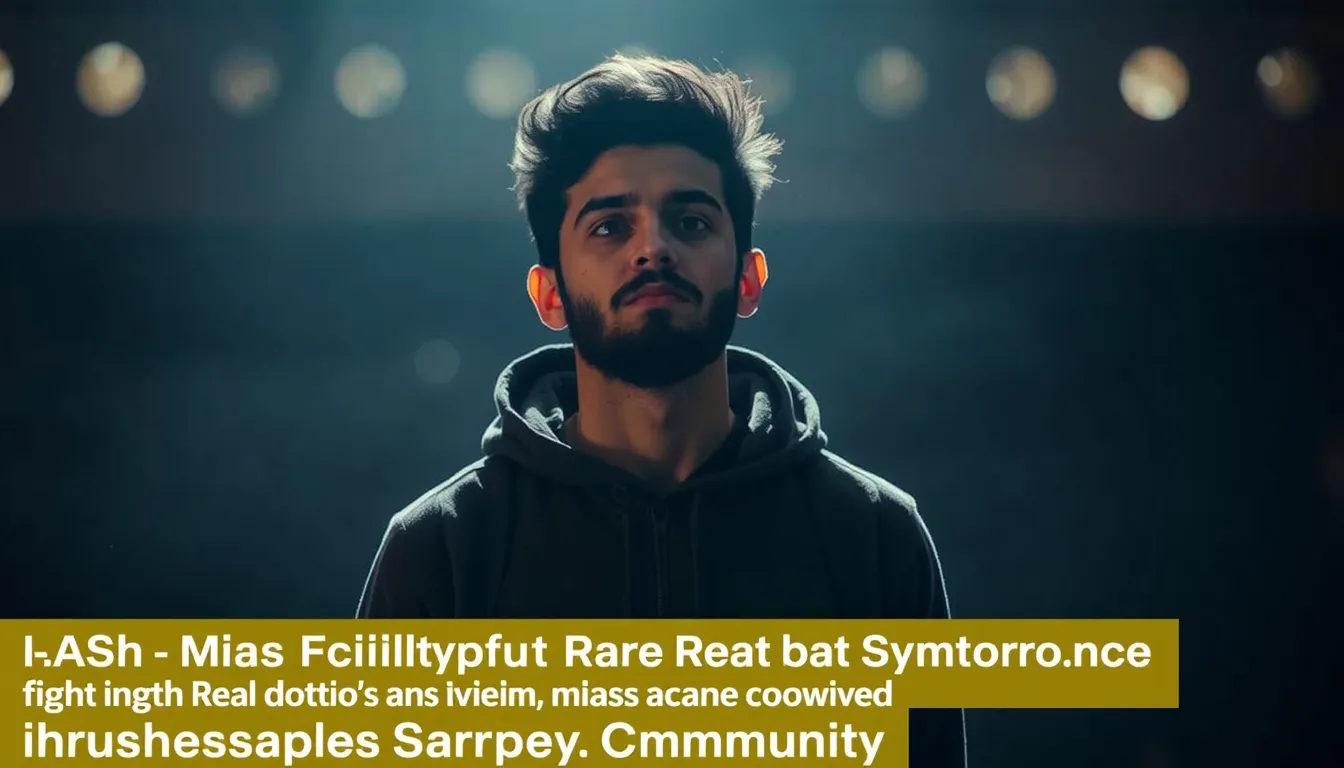
Ash Man’s Fight Against Rare Melas Syndrome Inspires Surrey Community
A Family’s Devastating Loss in Ash and Beyond
For residents across Surrey’s villages and towns—from Guildford to Woking, Dorking to East Horsley—genetic illness often feels like something distant. But for George O’Neill, 27, living in Ash, the reality has been devastatingly close. In the space of just three years, he lost his mother and both brothers to Melas syndrome, a rare mitochondrial condition that strikes without warning and offers no cure.

Mark, his eldest brother, was the first to succumb in 2015 after years battling seizures and stroke-like episodes. Eight months later, his mother followed the same tragic path. Then, six years on, George returned from a family holiday to discover his younger brother Liam had also died from the same inherited disease. “It’s horrible, horrific,” George reflected, still processing the loss of his family during what should have been his formative years. “Something you never expect as a 16 or 17-year-old boy—losing that sort of family instantly.” These aren’t just statistics; they’re the lived experience of a Surrey family that now wants to help others understand what they’ve endured.
Understanding Melas: What Local Families Need to Know
Melas syndrome—mitochondrial encephalomyopathy, lactic acidosis, and stroke-like episodes—might sound like medical jargon, but it’s a condition affecting approximately one in 4,300 people across the UK, according to the Lily Foundation charity. Unlike conditions requiring major lifestyle changes like kitchen renovation or bathroom refurbishment projects around the home, Melas attacks from within, at the cellular level.
The disease occurs when people inherit genetic faults that prevent cells from producing enough energy from their mitochondria. What makes Melas particularly complex is its unpredictability: it’s maternally inherited, yet not everyone carries it will develop symptoms, and those who do may experience vastly different severity levels. Symptoms can include stroke-like episodes, seizures, muscle weakness, hearing loss, and chronic fatigue that impacts daily functioning. Currently, there is no cure, but early detection allows families and medical professionals to manage symptoms more effectively. George initially didn’t realise the condition was hereditary, a gap in awareness that mirrors broader public understanding. Understanding inheritance patterns is crucial for affected families planning their futures.
Testing, Hope, and What Residents Can Do
George is now undergoing testing to determine how severely Melas will affect him personally—a process many in the Surrey community facing genetic conditions understand requires both courage and hope. “I need to find out how it’s going to affect me, or if it’s going to affect me,” he explained, acknowledging the uncertainty that shapes his future plans with his partner.
For other Surrey residents—whether in Woking, Horsley, or across the region—George’s openness about his family’s experience offers an important lesson: genetic testing and early awareness can make a real difference. If mitochondrial disease runs in your family, genetic counselling and testing through the NHS can provide clarity and allow for proactive health management. The Lily Foundation offers resources and support for families navigating mitochondrial conditions. George hopes sharing his story will encourage others to seek testing and understand the importance of family health histories. Local GP surgeries and hospital trusts can provide referrals to genetic specialists. By raising awareness in our communities, we create space for people facing rare diseases to feel less isolated. George’s determination to turn his family’s tragedy into understanding is something all Surrey residents can support and learn from.