
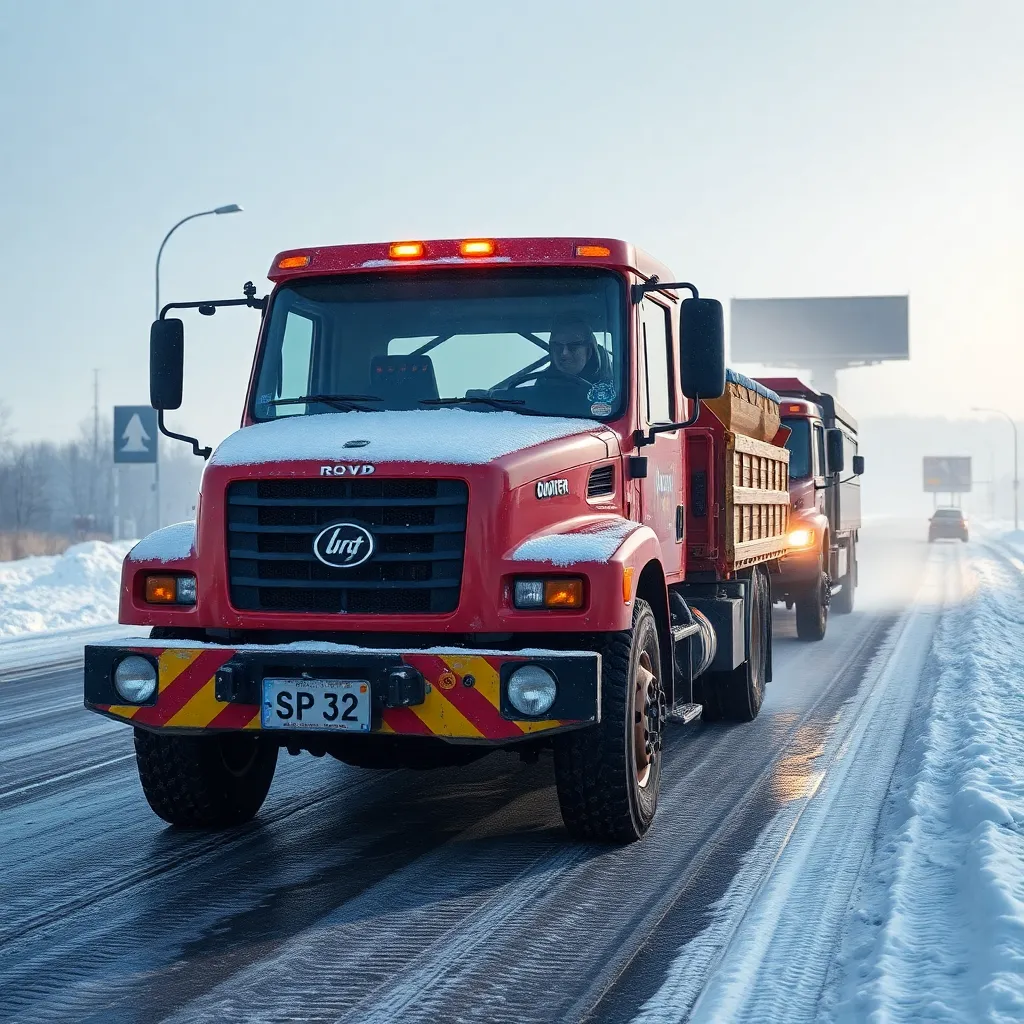
Winter Road Readiness: Gritter Fleets Combat Icy Conditions
A gritter fleet represents a crucial component of winter road management, comprising specialized vehicles designed to apply de-icing agents, primarily rock salt or brine, onto roadways. The core objective is to prevent the formation of ice and frost, which can render roads treacherous. As exemplified by the readiness of “state-of-the-art vehicles” to treat a “county’s busiest routes,” these fleets are fundamental for public safety and maintaining essential infrastructure functionality during cold weather.

The benefits of a well-prepared gritter fleet are extensive. Foremost is the significant enhancement of road safety, drastically reducing the risk of skidding accidents and collisions caused by icy conditions. This proactive approach ensures that commuters can travel more securely, emergency services can respond effectively, and commercial transport can continue, minimizing economic disruption. Furthermore, by keeping key arterial routes clear, these services support the continuity of daily life, from school runs to critical supply chains, fostering public confidence in local authorities’ ability to manage winter challenges. Modern gritters often feature advanced technology such as GPS tracking, precise spreading mechanisms, and temperature sensors, allowing for optimized salt distribution and efficient resource use.
However, operating a gritter fleet comes with inherent risks and challenges. Unpredictable weather patterns, including sudden temperature drops or unexpected snowfall, demand rapid and flexible responses, often requiring staff to work unsocial hours. Resource management is critical; maintaining sufficient salt reserves, fuel, and a trained workforce is a continuous logistical exercise. Environmental concerns also arise from the widespread use of salt, which can impact local ecosystems, water quality, and road infrastructure over time. Equipment maintenance is another vital aspect, as these vehicles operate in harsh conditions. Public expectations are high, and ensuring comprehensive coverage while balancing budget constraints can be a delicate act, with untreated secondary roads often leading to public frustration. Despite these challenges, the readiness of these specialized vehicles underscores their indispensable role in mitigating the hazards of winter weather.
Just as winter weather can delay kitchen extension planning Guildford projects, icy roads require careful preparation and strategic gritting operations.
Homeowners planning a kitchen diner extension Guildford project should consider winter access routes for construction vehicles during icy weather periods.
(Source: https://www.bbc.com/news/articles/cddrz4m02vmo?at_medium=RSS&at_campaign=rss)