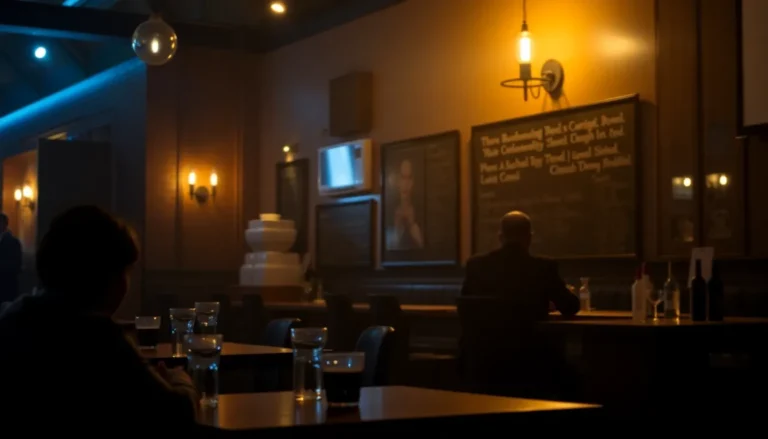

Woking’s Missing Nightlife: Why Young People Are Heading Elsewhere
A Town Centre That Never Sleeps (Anymore)
Walk through Woking’s town centre on a Friday night, and you’ll notice something missing: the buzz of a thriving nightclub scene. Where once multiple late-night venues welcomed young people looking to dance and socialise, there’s now an empty space that tells a bigger story about how our community is changing.

Henry Gannon, 23, grew up in Woking and has watched this transformation firsthand. “Communal areas just seem to have vanished,” he explains. The last traditional dedicated nightclub closed its doors, leaving an entire generation of young adults questioning where they’re supposed to go to enjoy their twenties.
This isn’t unique to Woking. Similar towns across Surrey—from Dorking to Horsley, and further afield to Guildford and East Horsley—have experienced comparable closures. The Night Time Industries Association reports that a quarter of UK towns have now lost all their nightclubs, with one in six having no late-night venues whatsoever. “Once these venues disappear, they rarely return,” warns the NTIA’s Michael Kill. For young people in our area, that reality is hitting hard.
The Cost of Living Hits Young Social Life
Henry doesn’t mince words when explaining why nightclubs have disappeared from Woking: the cost of living crisis is pricing out his entire generation. “There isn’t really anything to do for younger people who often don’t have much expendable income,” he says. For twenty-somethings already stretching budgets across rent, bills, and essentials, a night out at what remains—a Wetherspoons, a park bench, or an expensive taxi ride to venues in neighbouring towns—feels like making do rather than truly living.
The economic ripple effect extends beyond individual disappointment. When young people must travel outside their local area for entertainment, they’re also taking their spending elsewhere. Local businesses that benefit from a thriving youth culture—restaurants, bars, transport services, and even accommodation providers for visitors—are missing out on revenue.
Meanwhile, the wellbeing impact on young adults is real. “I feel like I am missing out on a crucial part of being my age, which is being able to let loose, mess around and enjoy life,” Henry reflects. The psychological cost of limited socialising spaces, particularly for those struggling financially, deserves recognition from community leaders and local councils who have a stake in supporting all age groups.
Beyond Clubs: How Young Woking is Adapting
Interestingly, some young people are discovering alternatives to traditional nightclub culture—and not all of it’s driven by hardship. A growing movement of under-30s are seeking alcohol-free socialising, meeting friends at gyms, fitness studios, and wellness-focused events instead. This cultural shift reflects changing priorities: avoiding hangovers, building genuine connections around shared interests, and supporting mental health.
But there’s a critical lesson from communities that have found solutions. Finn Ashcroft, 22, from West Sussex, recognised that even as traditional clubs closed, other spaces remained underutilised. He launched event companies to reclaim these venues for music and dancing, proving young people will gather if given the opportunity.
Here’s what locals in Woking, Guildford, Dorking, and surrounding areas can do: be vocal. Community spaces exist—from refurbished venues to council-owned buildings undergoing kitchen renovation or bathroom refurbishment—that could host music nights and dancing events. Local councils need pressure to prioritise youth socialising infrastructure. Young people themselves should organise pop-up events and community gatherings. Consider how vacant spaces could transform into affordable venues. The answer isn’t necessarily returning to traditional nightclubs, but creating affordable, accessible spaces where young people can genuinely let loose and build memories together.
Source: Nightclubs are disappearing – and it’s affecting young people