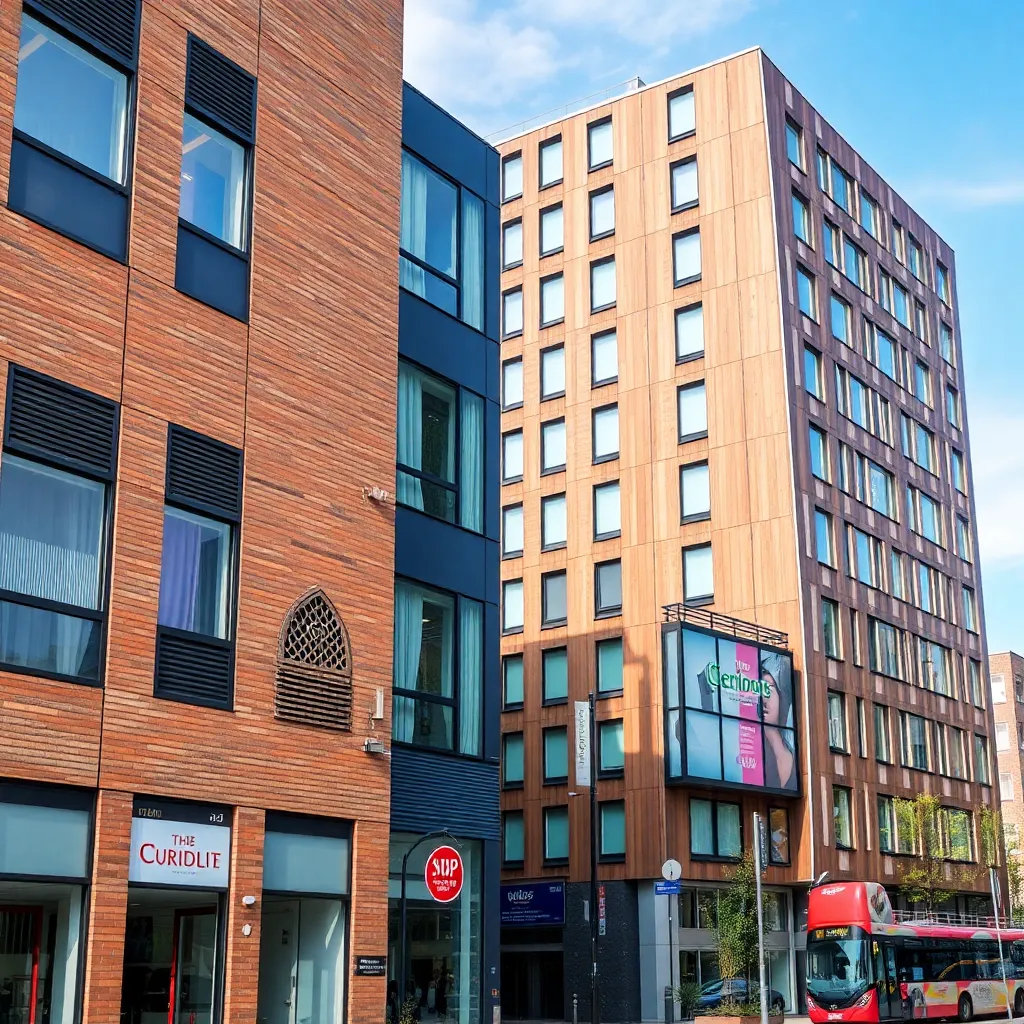
Woking’s Cladding Crisis: Three More Years of Exposed Buildings
The town of Woking is grappling with a significant housing crisis, as properties have had their external cladding removed, leaving buildings exposed and residents facing prolonged hardship. The source title, “Another cold winter for Woking’s naked buildings,” vividly captures the dire situation, emphasizing the lack of adequate protection and insulation. This removal, which occurred in 2024, is not a quick fix, with estimated repair timelines extending for another three years, indicating a protracted period of discomfort and uncertainty for affected homeowners and tenants.

Cladding, in its fundamental definition, refers to the application of one material over another to provide a skin or layer on the exterior of a building. Its primary benefits typically include enhancing thermal insulation, thereby improving energy efficiency and reducing heating costs. It also offers crucial weather protection against elements like rain and wind, contributes to the building’s aesthetic appeal, and can improve structural integrity. Historically, various materials have been used, from brick and timber to composite panels.
However, the widespread removal of cladding, as seen in Woking, stems from severe risks identified with certain types of materials, particularly in the wake of the Grenfell Tower tragedy. The paramount risk is fire safety; some cladding systems have been found to accelerate the spread of flames, turning buildings into vertical fire hazards. Beyond fire, risks can also include poor installation leading to water ingress, damp, and structural damage, or the use of materials that degrade prematurely. The decision to remove cladding, therefore, is usually a critical safety measure, albeit one with significant immediate consequences.
For Woking’s residents, the removal means enduring multiple “cold winters” in buildings stripped of their protective and insulating layers. This situation highlights not only the physical discomfort but also the substantial financial burden, emotional distress, and disruption to daily life. The three-year repair estimate underscores the complexity and scale of the remediation effort, involving specialist contractors, material sourcing, and navigating regulatory approvals. Woking serves as a stark example of the broader national challenge of unsafe cladding, where the initial benefits of external layering have been catastrophically overshadowed by critical safety failures, leaving communities in limbo for years. This ongoing saga reflects a systemic failure in building regulations and oversight, with residents bearing the brunt of the consequences.
The cladding delays have also impacted woking kitchen extension planning applications, as building regulations now require stricter fire safety assessments for all residential projects.
Many residents considering a woking kitchen diner extension are now postponing their building projects due to ongoing cladding safety concerns.
(Source: https://www.bbc.co.uk/sounds/play/p0mhsz9w?at_medium=RSS&at_campaign=rss)