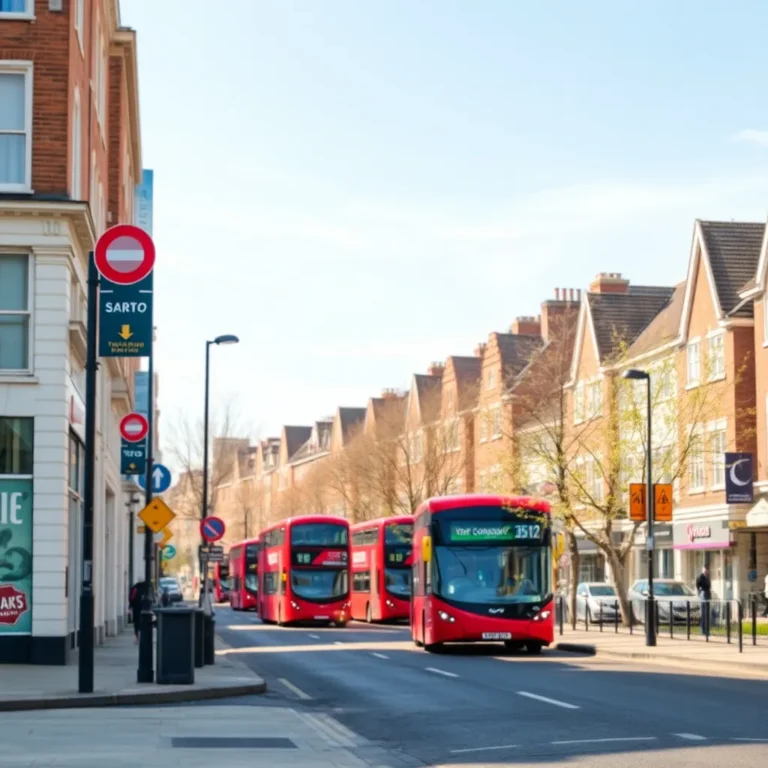

Urban Traffic Solutions: Boosting Street Air Quality & Health
Urban centers globally grapple with significant air quality challenges, primarily stemming from vehicle emissions. Nitrogen dioxide (NO2), a harmful pollutant predominantly released by diesel engines, poses serious health risks, contributing to respiratory diseases and cardiovascular issues. Recent initiatives focused on reducing vehicular traffic in congested areas have emerged as a vital strategy to combat this pervasive problem, offering a pathway to cleaner air and healthier communities.

The fundamental principle involves implementing measures designed to decrease the volume of cars, particularly older, more polluting models, within specific zones. Strategies range from creating pedestrian-priority areas, establishing low-emission zones, improving public transport infrastructure, to encouraging active travel like cycling and walking. The benefits of such interventions are manifold. Foremost is the direct improvement in public health, as reduced NO2 levels lead to fewer instances of asthma, bronchitis, and other respiratory ailments. Beyond health, these measures enhance urban liveability, fostering quieter, safer streets, and creating more appealing public spaces. Economically, while initial adjustments can be challenging for businesses, a healthier populace and more attractive urban environment can ultimately stimulate local economies through increased footfall and tourism.
However, implementing traffic-tackling policies is not without its difficulties or “risks.” Potential drawbacks include public resistance due to perceived inconvenience for drivers and businesses, the need for substantial investment in alternative transport, and the economic impact on sectors reliant on vehicular access. Careful planning and robust public engagement are crucial to mitigate these challenges. A notable example illustrating the commitment to monitoring air quality and the potential for improvement is Ewell High Street, where nitrogen dioxide emissions have been monitored since 2007. Such long-term data collection is essential for assessing the effectiveness of traffic reduction schemes and demonstrating tangible improvements in local air quality, providing evidence-based insights for future urban planning. Ultimately, a balanced approach is required, prioritizing public health and environmental sustainability while addressing community concerns.
Urban planning initiatives, from kitchen extension planning Guildford to major traffic redesigns, must consider air quality impacts on residential health.
Reduced traffic pollution benefits residential areas where families enjoy indoor-outdoor living spaces like a kitchen diner extension guildford homeowners increasingly prefer.
(Source: https://www.bbc.com/news/articles/cdx4vvdg1xzo?at_medium=RSS&at_campaign=rss)