
Local Man Fights to Raise Awareness of Rare Melas Syndrome
A Family’s Silent Struggle in Ash
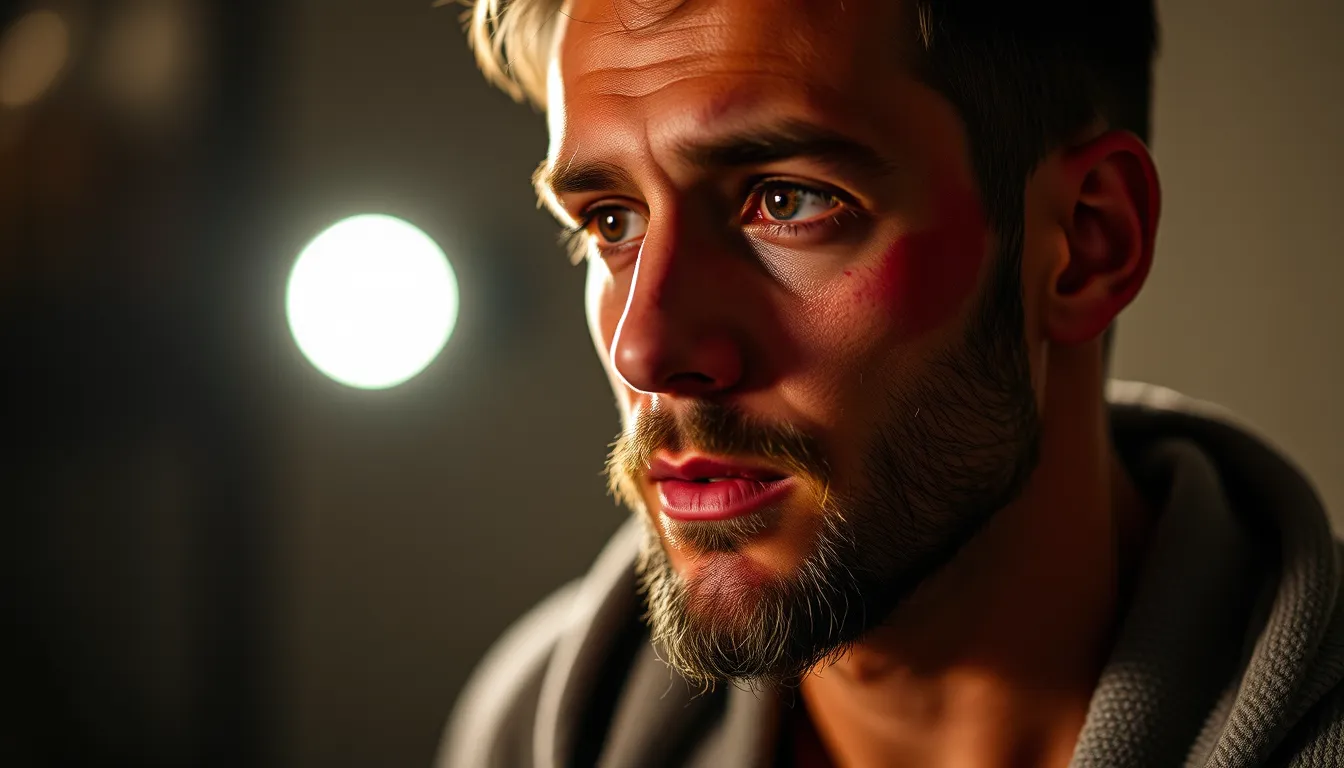
George O’Neill, a 27-year-old resident of Ash near Guildford, is opening up about a heartbreaking journey that has fundamentally changed his life and outlook on health. Over the course of just a few years, he lost his mother and two brothers—Mark and Liam—to Melas syndrome, a rare mitochondrial condition that most people have never heard of. What makes George’s story particularly poignant is that he didn’t initially understand the disease was hereditary, a realisation that came only after his family members had already passed away. The grief of losing three close family members unexpectedly has become the catalyst for his mission to educate others in the Surrey community and beyond. George is now navigating his own testing process to understand whether and how severely this genetic condition might affect his future. His determination to speak publicly about this private tragedy demonstrates the kind of grassroots awareness-raising that can genuinely save lives, particularly for families in local areas like Woking, Dorking, and East Horsley who may recognise similar symptoms in their own relatives.

Understanding Melas: What Every Surrey Resident Should Know
Melas syndrome—mitochondrial encephalomyopathy, lactic acidosis, and stroke-like episodes—belongs to a broader category of mitochondrial diseases that affect approximately one in 4,300 people across the UK. These conditions occur when cells cannot generate sufficient energy from their mitochondria due to inherited genetic faults. Unlike many other genetic disorders, Melas doesn’t follow predictable inheritance patterns; while it is maternally inherited, not everyone carrying the gene will develop symptoms, and severity varies dramatically from person to person. Symptoms can include unexplained stroke-like episodes, seizures, progressive muscle weakness, hearing loss, and persistent fatigue that impacts daily activities. Many people live for years without a diagnosis, attributing their symptoms to other causes. The Lily Foundation charity reports that awareness remains critically low among both patients and healthcare professionals. Early detection, whilst offering no cure, allows families and medical teams to develop management strategies and lifestyle adjustments that can improve quality of life. For residents across Horsley and surrounding villages, understanding these warning signs could mean the difference between early intervention and a tragedy like the one George’s family experienced.
What Comes Next: Testing, Support, and Community Action
George’s decision to pursue genetic testing represents a turning point for himself and potentially for others in similar situations. By undergoing testing, he hopes to understand his own risk profile and make informed decisions about his future—including planning with his partner and ensuring he receives appropriate medical monitoring. His story resonates particularly strongly because he’s actively encouraging others to seek testing rather than living with uncertainty. For Surrey communities from Guildford to East Horsley, this raises important questions about genetic health literacy and access to testing services. Those who suspect mitochondrial disease in their family should consult their GP, who can arrange specialist referrals to genetics services. Support organisations like the Lily Foundation provide crucial resources, community connection, and hope. George’s willingness to share his deeply personal experience publicly demonstrates how individual stories can drive systemic change. If you or a family member experiences unexplained seizures, stroke-like episodes, or progressive weakness, don’t accept a lack of answers. Request genetic testing and specialist evaluation. By sharing information within your local networks—whether at work, social groups, or community organisations—you help ensure that families don’t experience the isolation and unanswered questions that George’s family faced.