
£6m Cleanup Bill: What Illegal Waste Dumping Means for Surrey
A £6 Million Problem on Our Doorstep
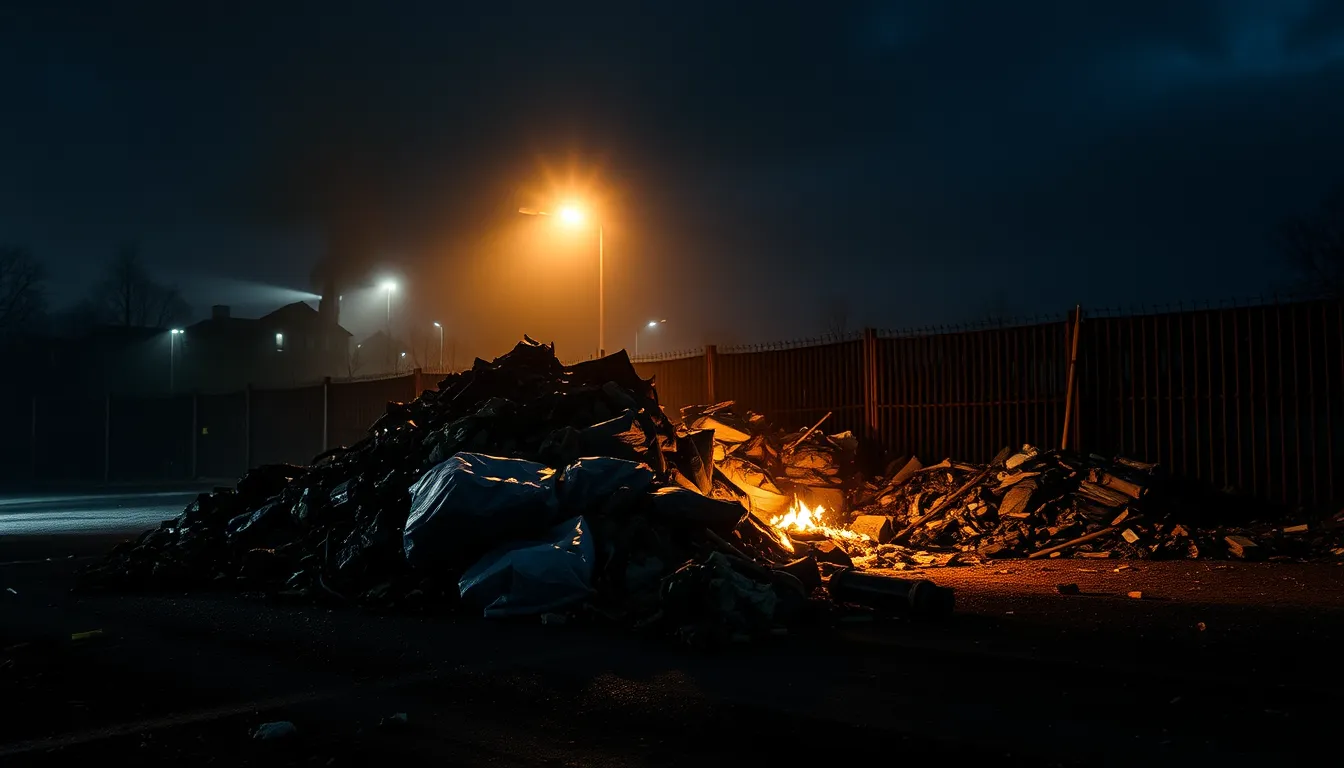
When authorities discovered one of England’s largest illegal waste dumping grounds in Oxfordshire, the cleanup bill landed at a staggering £6 million—and that’s just one site. For those of us living across the South East, from Guildford to Dorking and the surrounding Surrey communities, this should set off alarm bells. The Kidlington supersite, nestled between the River Cherwell and the A34, accumulated around 22,000 tonnes of domestic and commercial rubbish before being shut down. But here’s what keeps local residents awake at night: nearly 30 similar illegal supersites have been identified across England. The Environment Agency estimates that 20% of all waste in England is illegally managed—a figure that suggests this isn’t a one-off problem but a systemic crisis affecting communities everywhere. When taxpayers foot cleanup bills that should be paid by criminals, it drains resources from legitimate local services. For property owners in Horsley, East Horsley, Woking, and surrounding areas, this highlights how vulnerable land can become a dumping ground, with residents bearing the environmental and financial consequences.

Who’s Paying and Who Should Be?
The government’s Waste Crime Action Plan promises accountability, but the numbers tell a troubling story. Over the past five years, the Environment Agency has managed to recover just £7.3 million from convicted waste criminals using Proceeds of Crime Act confiscation orders—yet cleanup costs at major sites like Kidlington far exceed these amounts. Sixty-six confiscation orders have been issued, but fourteen remain unpaid, with approximately £1.4 million still outstanding. Meanwhile, waste crime costs the British economy an estimated £1 billion annually. Local landowners—represented by groups like the Country Land and Business Association—are asking a legitimate question: where’s the deterrent? Private property owners whose land is used for illegal dumping are typically expected to cover cleanup costs themselves, yet criminal gangs continue operating with relative impunity. For local businesses and homeowners considering bathroom refurbishment or kitchen renovation projects, this matters because legitimate waste disposal from construction sites adds to project costs—costs that wouldn’t be necessary if waste crime enforcement was stronger. The government’s recent crackdown, announced by Prime Minister Andy Burnham, includes plans to deploy more enforcement officers and use drone technology to catch offenders.
What Local Residents Should Know and Do
Six major illegal supersites have been identified for public-funded cleanup, including Aymer Close in Runnymede, Surrey—right in our backyard. This means the next phase of government action will directly affect Surrey communities. Residents should watch for updates on cleanup timelines, environmental assessments, and restoration plans for affected areas. If you’ve noticed suspicious waste dumping activity near your neighbourhood—whether in Guildford, Woking, Dorking, or surrounding villages—report it immediately to your local council’s environmental enforcement team or the Environment Agency’s hotline. Document what you see: vehicle registration numbers, times, and locations. Local councillors are also key allies; contact yours to demand stronger protections for your area and faster enforcement action. For small businesses undertaking bathroom fitters work or kitchen renovation projects, ensure your contractor uses licensed waste removal services—supporting legitimate operators strengthens the market against criminal alternatives. Community groups should consider organizing local environmental audits to identify potential dumping hotspots before they become major problems. The cleanup of these sites will take years and cost tens of millions. By reporting illegal activity now, you help prevent your community from becoming the next £6 million problem.
Source: Clean-up of illegal Kidlington waste supersite costs £6m