
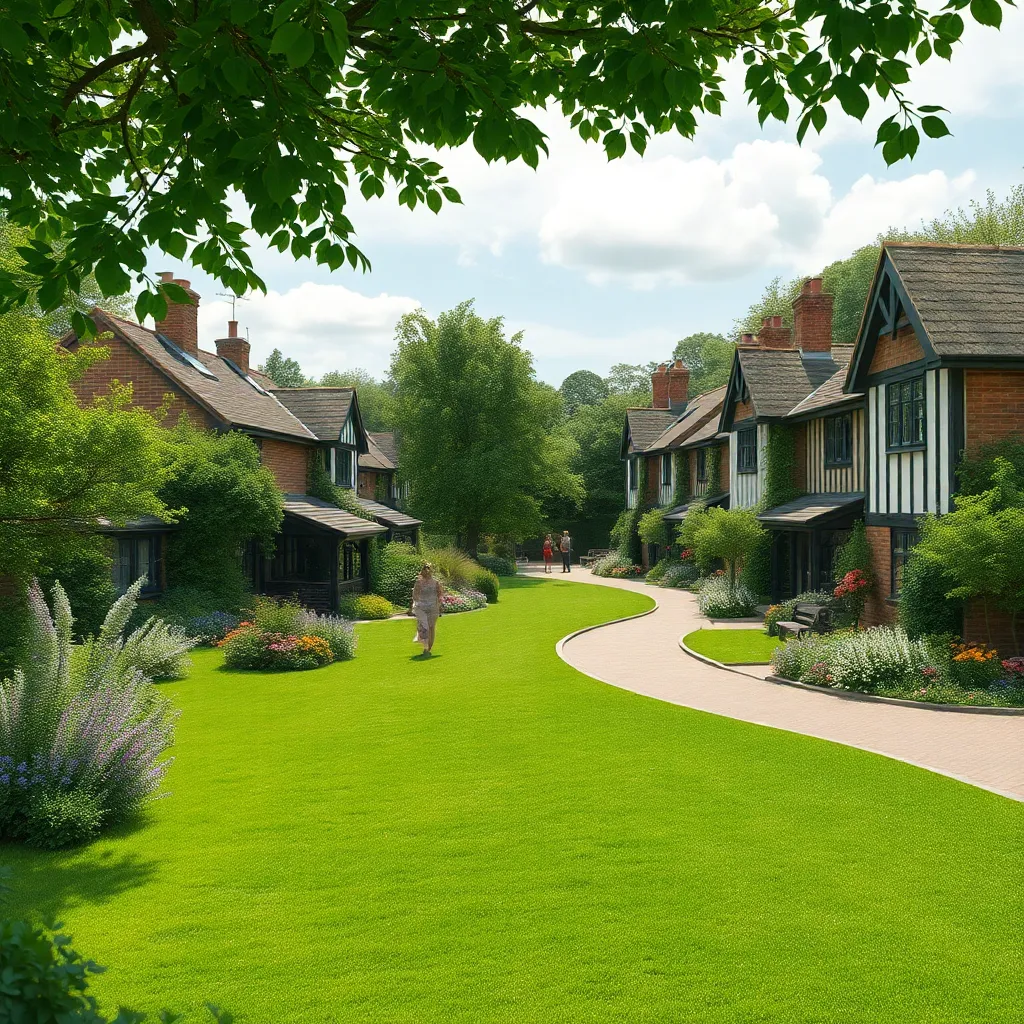
Guildford’s New Nature Reserve: Green Heart of Weyside Village
The ambitious project to transform previously inaccessible farmland in Guildford into a new, “stunning” nature reserve is nearing its final stages. This significant ecological undertaking is not an isolated effort but forms an integral component of the much larger Weyside Urban Village development, which aims to deliver 1,650 new homes to the area. The core definition of this scheme involves the strategic conversion of agricultural land, often private and ecologically limited, into a vibrant public green space designed for both wildlife conservation and community enjoyment.

The benefits of such a development are multifaceted. Ecologically, the creation of the nature reserve is expected to significantly enhance local biodiversity by establishing and restoring diverse habitats such as wetlands, wildflower meadows, and native woodlands. This provides crucial refuges and breeding grounds for a variety of species, from migratory birds and pollinating insects to small mammals, thereby contributing to regional ecological resilience. For the community, the reserve will offer invaluable public access to nature, promoting physical activity, mental well-being, and educational opportunities through walking trails, viewing points, and potentially interpretive signage. It acts as a vital green lung for the new urban village, offering residents a direct connection to the natural world.
However, the integration of a nature reserve within a large-scale housing development also presents inherent risks and challenges. Balancing the imperative of ecological protection with the demands of public access requires careful management to prevent habitat degradation or disturbance to sensitive species. The proximity of 1,650 new homes means potential for increased foot traffic, litter, and domestic pet impacts, necessitating robust management plans, clear visitor guidelines, and ongoing monitoring. Furthermore, the long-term sustainability of the reserve depends on securing continuous funding and dedicated stewardship to maintain its ecological integrity and public amenities. There’s also the risk of non-native species introduction or habitat fragmentation if the interface with the urban village isn’t meticulously planned.
Specific examples of the reserve’s features could include newly planted hedgerows, re-meandered streams to create riparian habitats, and designated quiet zones for wildlife observation. The project exemplifies a modern approach to urban planning, aiming to mitigate the environmental impact of significant housing growth by simultaneously delivering substantial ecological and recreational assets for Guildford residents, demonstrating a commitment to green infrastructure alongside urban expansion.
The new nature reserve may influence guildford kitchen extension planning regulations as the council prioritizes green space preservation in local development decisions.
The new nature reserve could boost local property values, making homes with features like a guildford kitchen diner extension even more desirable to buyers.
(Source: https://www.getsurrey.co.uk/news/surrey-news/work-turn-inaccessible-guildford-farmland-32979374)