
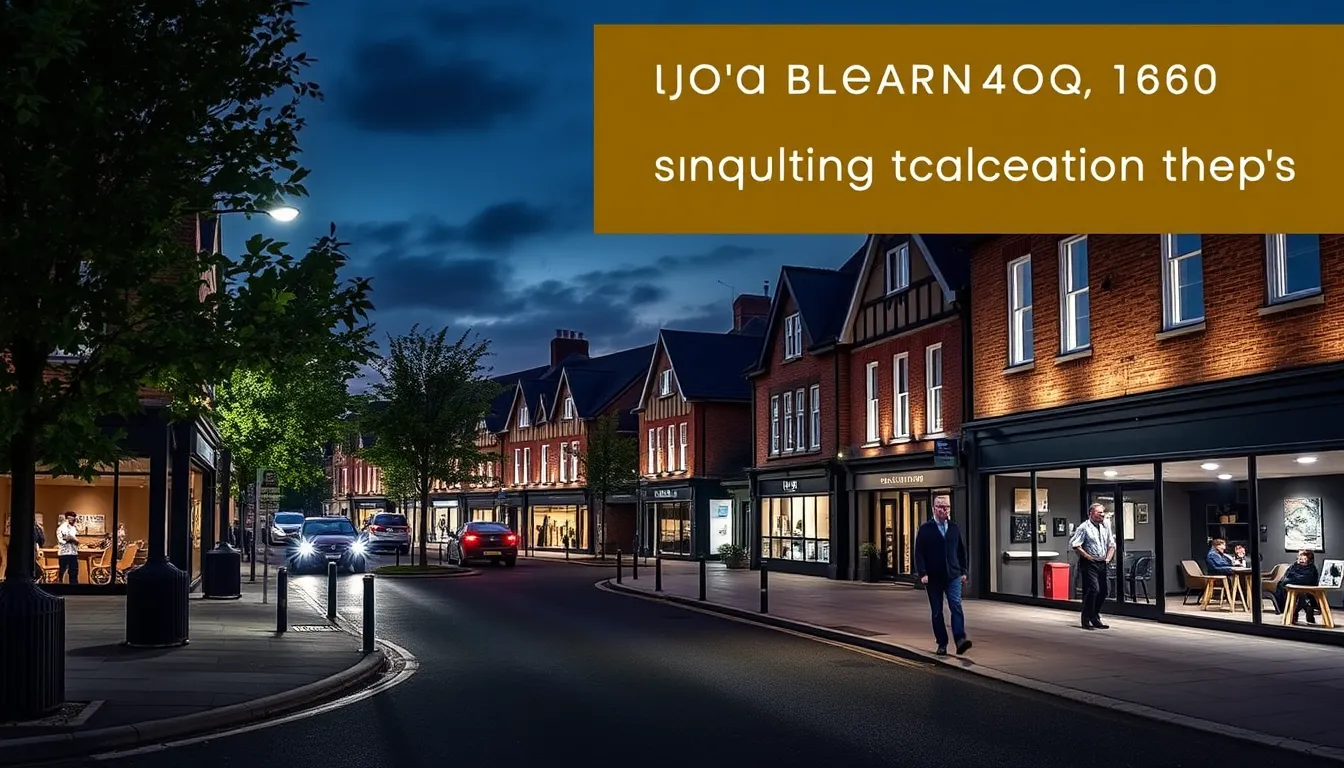
Leatherhead’s 400-Home Plan: Can It Revive Our High Street?
Why Leatherhead Needs This Development — And What’s at Stake
Leatherhead stands at a crossroads. The Bull Hill regeneration scheme—a joint venture between Mole Valley District Council and Kier Property—proposes 400 new homes aimed at breathing life back into our town centre. For those of us who’ve watched our high street’s vitality fade over recent years, this development represents a genuine opportunity to reverse that decline. Council members have been clear: without new residents moving in, our shops, restaurants, and cultural venues—including the Leatherhead Theatre—won’t have the customer base needed to thrive. The numbers matter here: more residents means more footfall for local businesses, from independent retailers to hospitality venues. This is why councillors like Claire Malcomson argue the scheme is essential for Leatherhead’s survival. However, the project isn’t without complications. The development sits within our local area, nestled between neighbouring communities like Dorking, Woking, and Horsley, each with their own concerns about regional development patterns. Understanding what this means for us requires looking at both the promise and the challenges this scheme presents.

What’s Changed—And Why Local Residents Should Pay Attention
Here’s where things get complicated for those of us following this closely. The original proposals have shifted significantly, and not always in ways local residents expected. Initial plans included a refurbished Swan Centre, a cinema, social housing units, and a profit-sharing arrangement worth £22 million that would’ve funded additional town improvements. Today’s version is leaner: the projected profit has dropped to £14 million, the cinema hasn’t materialised, car parking has been reduced, and social housing provision has been removed entirely. Independent councillor Gerry Sevenoaks raised legitimate concerns during recent council debates, warning that construction over several years could create traffic chaos and that promised community benefits were diminishing. These changes matter to our community directly. Fewer affordable homes means residents facing housing challenges—including young families and key workers—will have fewer options locally. The missing cinema would’ve provided entertainment beyond online streaming. For businesses like bathroom fitters and kitchen renovation specialists, the development promises 400 households eventually needing home improvements, but only if the scheme delivers on schedule. Local residents deserve transparency about these trade-offs as decisions progress.
What Happens Next—And How You Can Stay Engaged
The Bull Hill development isn’t settled yet, and this is your moment to engage. Mole Valley District Council meetings continue to discuss details, timelines, and whether further negotiations with developers might restore some benefits. If you’re a local business owner—whether you run a bathroom fitting service, handle kitchen renovations, or operate a shop—this development will reshape your customer base and the town’s commercial landscape. Local residents, particularly those concerned about traffic, affordability, or our high street’s future, should attend upcoming council meetings and planning consultations. You can submit feedback through Mole Valley’s official channels and stay informed via local democracy reporting. Look too at how comparable developments in nearby areas like East Horsley and Guildford have unfolded—these neighbours can offer valuable lessons. The key takeaway: Leatherhead’s future depends on making this development work for everyone, not just developers. That requires community voices at the table now, before blueprints become bulldozers. Watch for planning announcements, timeline updates, and council votes on any modifications to current proposals. Your neighbourhood’s revival starts with your involvement.
Source: Leatherhead development of 400 homes ‘to save dying town’