
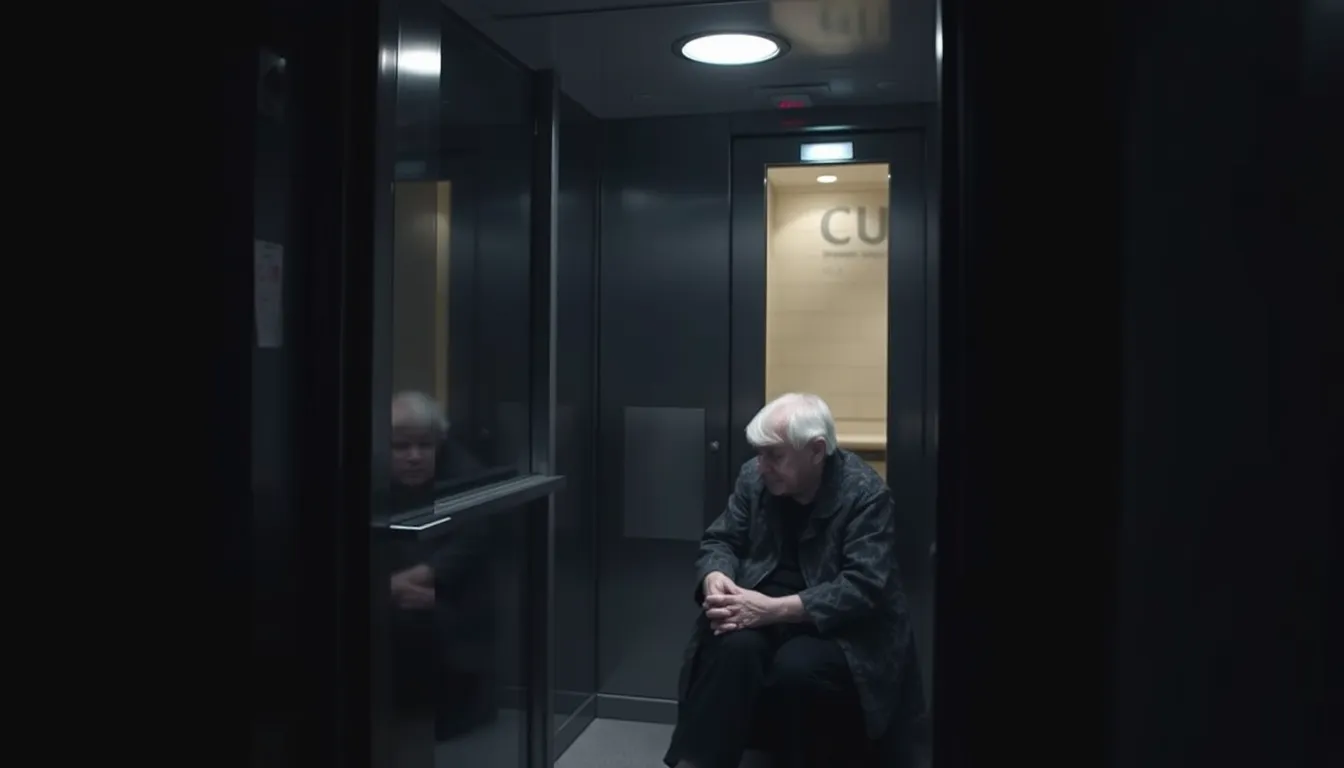
Broken Lift Crisis: Elderly Residents Trapped in Camberley Flats
Months Without Essential Access Leave Vulnerable Residents Stranded
Residents of a three-storey residential building in Camberley have endured a crisis that strikes at the heart of daily living: a broken lift that has remained out of service since March. For elderly and mobility-impaired residents, this isn’t merely an inconvenience—it’s become a life-altering situation that has sparked serious questions about building management responsibilities and resident welfare.

The lift required comprehensive upgrading work after its failure, leaving around 40 residents to navigate steep staircases multiple times daily. In a community where accessibility features are increasingly vital, particularly for those living elsewhere in Surrey such as Woking, Dorking, and the Horsley villages, this breakdown illustrates just how dependent modern apartment living has become on proper infrastructure maintenance.
For residents with mobility challenges, the psychological toll extends beyond physical exhaustion. Being unable to access essential services, receive visitors, or leave their homes safely creates profound isolation. The urgency of this situation cannot be overstated when considering the health implications for an aging population already managing chronic conditions.
A Family’s Heartbreaking Account and Communication Failures
Nicky Dowman’s account provides a sobering perspective on the real-world consequences of prolonged maintenance failures. Her mother, Audrey West, who had lived in the flat for 26 years, struggled with both rheumatoid arthritis and chronic obstructive pulmonary disease. The daily climb became medically counterproductive—leaving her so exhausted she would nearly fall asleep while ascending the stairs.
The situation worsened during summer heatwaves when temperatures inside the flat exceeded 40 degrees. Without lift access to reach ground level, residents remained trapped in what became unbearably hot environments. Dowman eventually relocated her mother to a care facility, hoping for safety and comfort. Tragically, her mother passed away shortly after.
Simultaneously, Gordon Lee’s 82-year-old mother Janet, who depends on a walker, found herself essentially confined to her flat. She couldn’t independently manage recycling, laundry, or visit family. Beyond the physical isolation, residents report that FirstPort’s communication has been inadequate—promises of responses within three weeks proved hollow, with updates remaining vague and unhelpful when they finally arrived.
What Residents Should Know and Next Steps for Our Community
This situation raises important questions about building management standards across Surrey’s residential properties, from Guildford to East Horsley and beyond. Residents living in leasehold or managed blocks should understand their rights regarding essential services maintenance and timely repair timelines.
If you’re experiencing similar issues in your building, document everything: photograph conditions, keep all written communication, and request formal written explanations for delays. Contact your local MP or council representative if management responses are inadequate. Residents should also explore whether temporary measures like stairlifts could have been implemented faster—such adaptations shouldn’t require nine months of delay.
For property managers and building owners, this incident underscores that infrastructure maintenance isn’t optional—it’s essential to resident safety and wellbeing. Just as bathroom fitters, bathroom refurbishment specialists, and kitchen renovation professionals must meet stringent timelines and safety standards, so too must lift maintenance services.
We’ll continue monitoring this situation and encourage affected residents to contact us with updates. Your experiences matter, and documenting these failures helps protect others in similar circumstances.
Source: Woman says broken lift contributed to her elderly mother’s death