Sutton Green Golf Club Faces Demolition in 650-Home Plan
Massive Housing Plan Threatens Sutton Green Golf Club
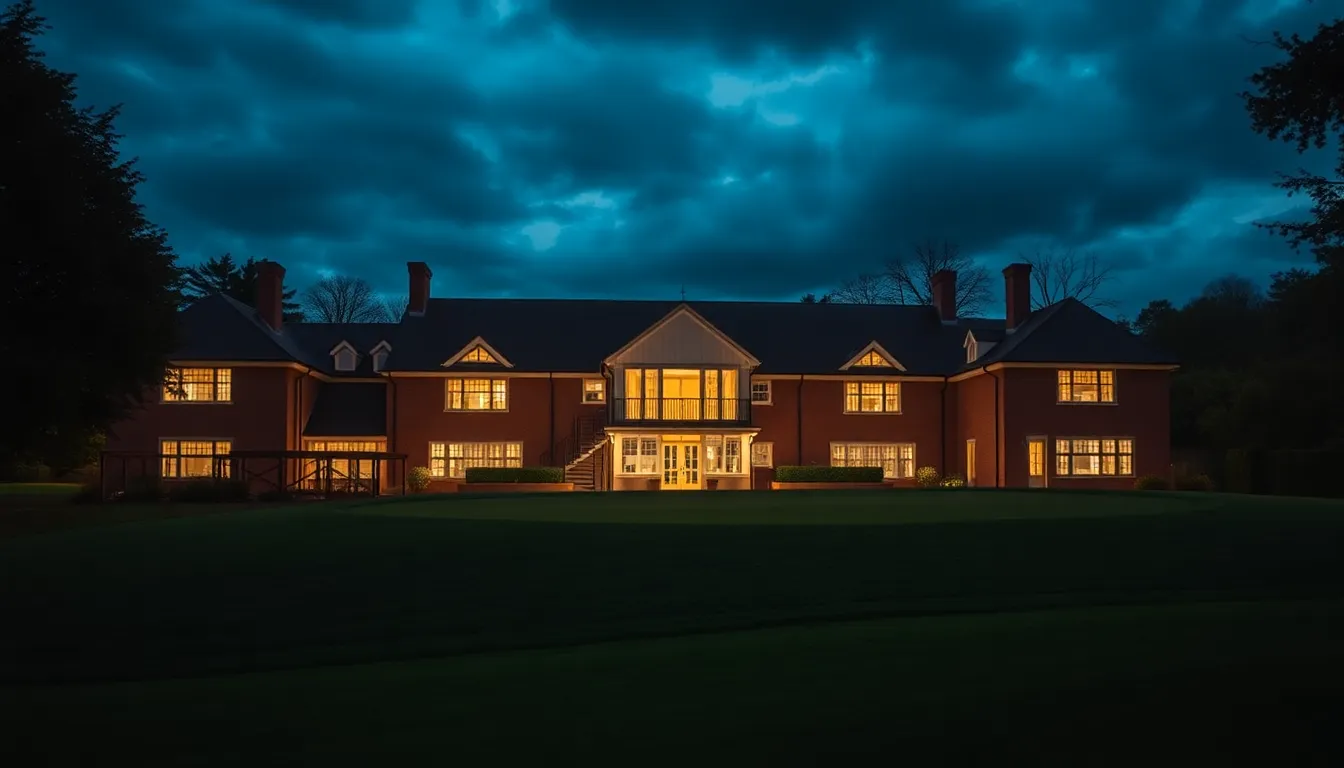
The future of Sutton Green Golf Club, a beloved 18-hole parkland course established in 1994, hangs in the balance as developers push forward with plans to construct 650 homes. Located in the scenic gap between Guildford and Woking, this green space has been a cornerstone of the local community for decades. Quinn Estates submitted an outline planning application to Woking Borough Council, proposing the complete demolition of the golf club, clubhouse, and surrounding infrastructure to make way for a sprawling residential development. Along with the 650 homes—half of which are designated as affordable housing—the proposal includes a care home, a public country park, and new commercial spaces. While developers argue that this project addresses a critical shortage of local housing and brings valuable community assets, local residents are deeply concerned. The scale of the build has sparked intense debate regarding the preservation of greenfield sites and the strain on local infrastructure, such as roads, schools, and medical facilities, which are already operating at near capacity. This decision represents a pivotal moment for the rural landscape separating our busy town centres.

Residents Rally to Protect Local Green Spaces
The proposed development has met with unprecedented opposition from the local community, yielding nearly 1,200 formal objections. Residents from surrounding villages, including those in nearby East Horsley and Guildford, have raised concerns about the irreversible damage to the local landscape and wildlife habitats. Long-time locals argue that replacing an active, accessible sporting facility with a massive housing estate will alter the semi-rural character of the area forever. Concerns have also been raised about traffic congestion, with an influx of hundreds of new households heading onto already busy local roads. Some residents of properties bordering the golf course have voiced frustration over a perceived lack of direct consultation from the developers, urging planning officials to scrutinize the project’s impact assessments carefully. Opponents argue that urban regeneration should prioritize brownfield sites rather than sacrificing irreplaceable green fields. As the planning committee prepares to review the application, the community continues to mobilize, hoping to preserve the natural buffers that define their neighbourhoods. The collective voice of the community remains clear: once this green space is gone, it cannot be replaced.
Economic Shifts and Future Property Considerations
While the community debates the environmental impact, the potential influx of new homes could significantly stimulate the local economy and trade industries. If approved, a development of this scale will drive massive demand for local construction services and home improvement professionals. From initial builds to future customization, the project could create long-term opportunities for specialists in kitchen renovation and bespoke home design. Local bathroom fitters and trade suppliers in Guildford and the surrounding boroughs would likely see a substantial rise in demand as these properties are completed and personalized. Even for existing homeowners in the region, the discussion around housing has sparked a wave of domestic upgrades, with many opting for a comprehensive bathroom refurbishment or modern kitchen renovation to boost their current property value. Whether the development goes ahead or residents succeed in blocking it, the focus on local property standards remains high. While a final decision on the Sutton Green development is eagerly awaited by both developers and worried residents, the conversation highlights the delicate balance between community growth, economic opportunity, and environmental preservation in Surrey.
Source: Plan to demolish Surrey golf club and build 650 homes